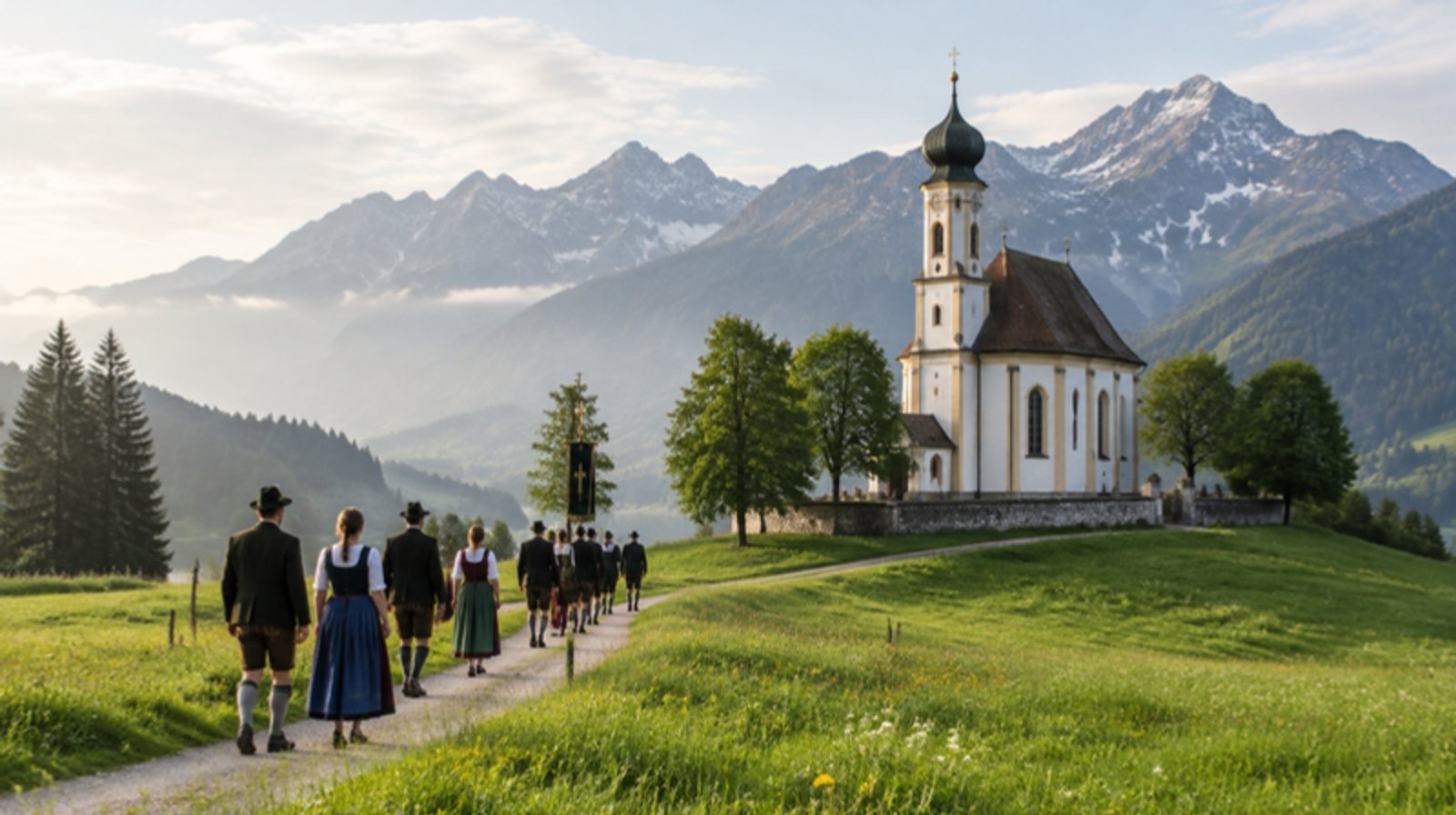
When people think of Bavaria, they picture lederhosen, Oktoberfest, and rolling alpine meadows. But beneath the surface, Bavaria’s culture is a powerful mix of history, faith, and music that continues to shape the way communities connect—at the table, in the pews, and on the dance floor.
A Legacy of Tradition
Bavaria’s heritage runs deep. From medieval monasteries to small farming villages, traditions here have always emphasized community. Seasonal festivals, harvest celebrations, and church gatherings all carried music as a centerpiece—violins, zithers, and brass bands echoing through valleys.
The Modern Oktoberfest Phenomenon
While Oktoberfest has become a global brand, at its core it remains a community celebration of harvest and gratitude. Music plays a leading role: folk songs invite participation, while modern pop blends keep younger generations engaged.
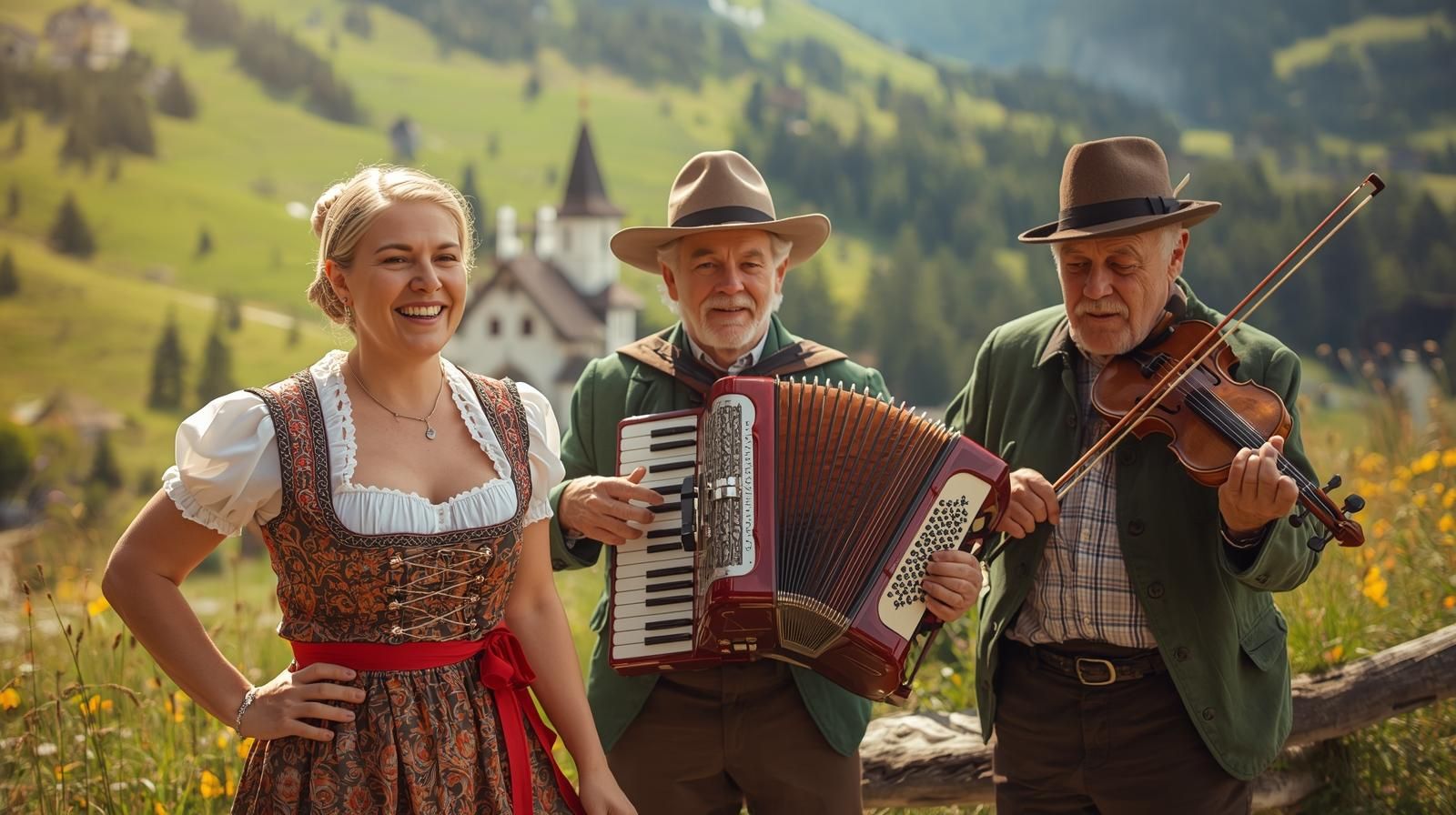
Bavarian folk musicians performing in a village square during Oktoberfest season.
Here’s an example: The classic Ein Prosit toast is sung thousands of times over two weeks in Munich, binding strangers into a single chorus of joy.
Faith, Family, and Song
Church choirs, pilgrimages, and faith-centered festivals add another layer. Basically, what this means is that Bavarian music is not just entertainment—it’s a form of belonging. Songs passed from generation to generation carried the wisdom of everyday people—their joys, hardships, and hopes.
Looking Forward
Today, Bavarian artists fuse folk with techno, jazz, and even hip-hop. It’s proof that heritage isn’t static—it evolves with every new beat.
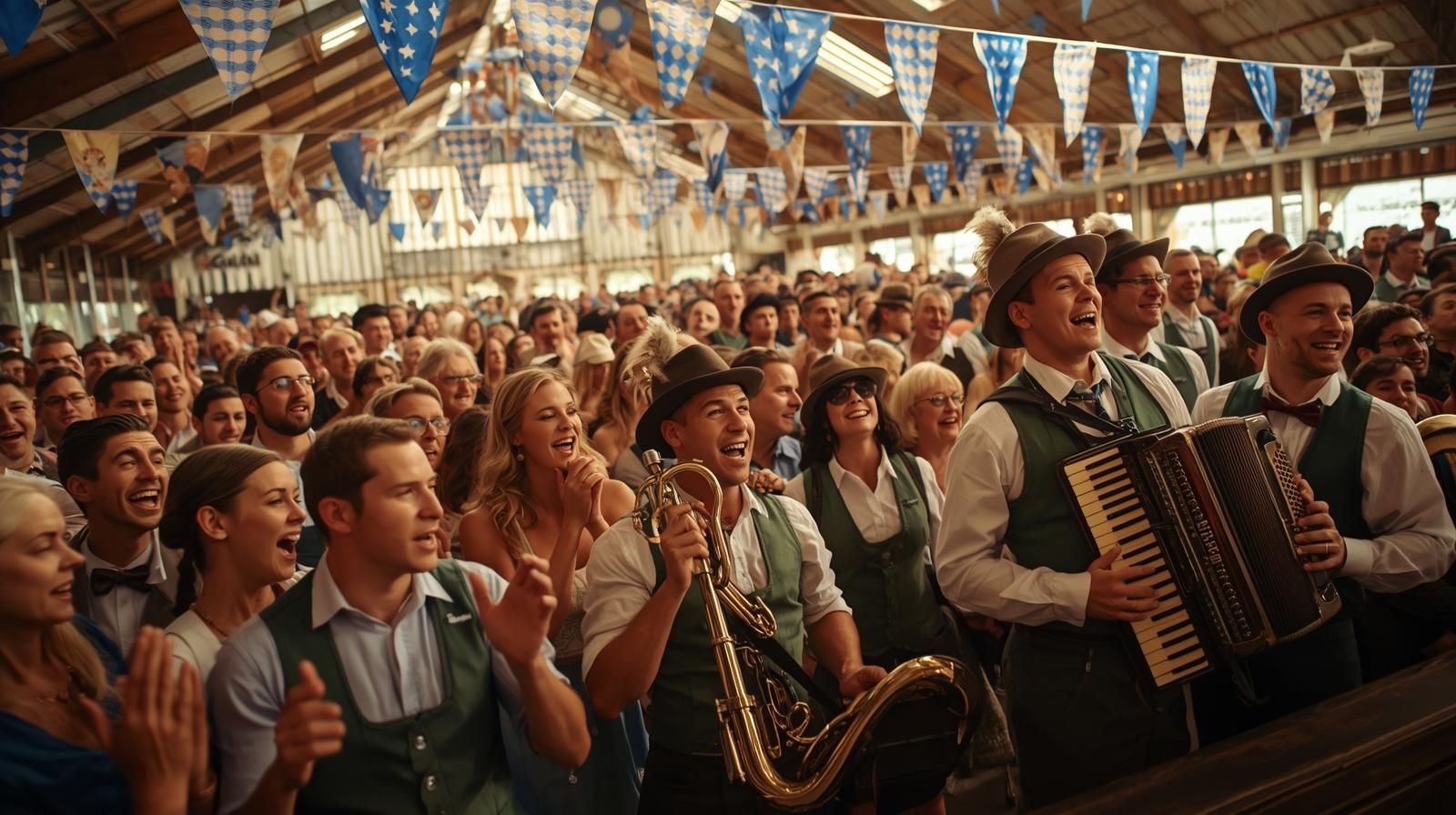
Oktoberfest musicians energize the crowd with classic sing-along tunes.
Key takeaway: Bavaria shows us that tradition and innovation can dance together, creating music that feels timeless and fresh.